Quick Answer
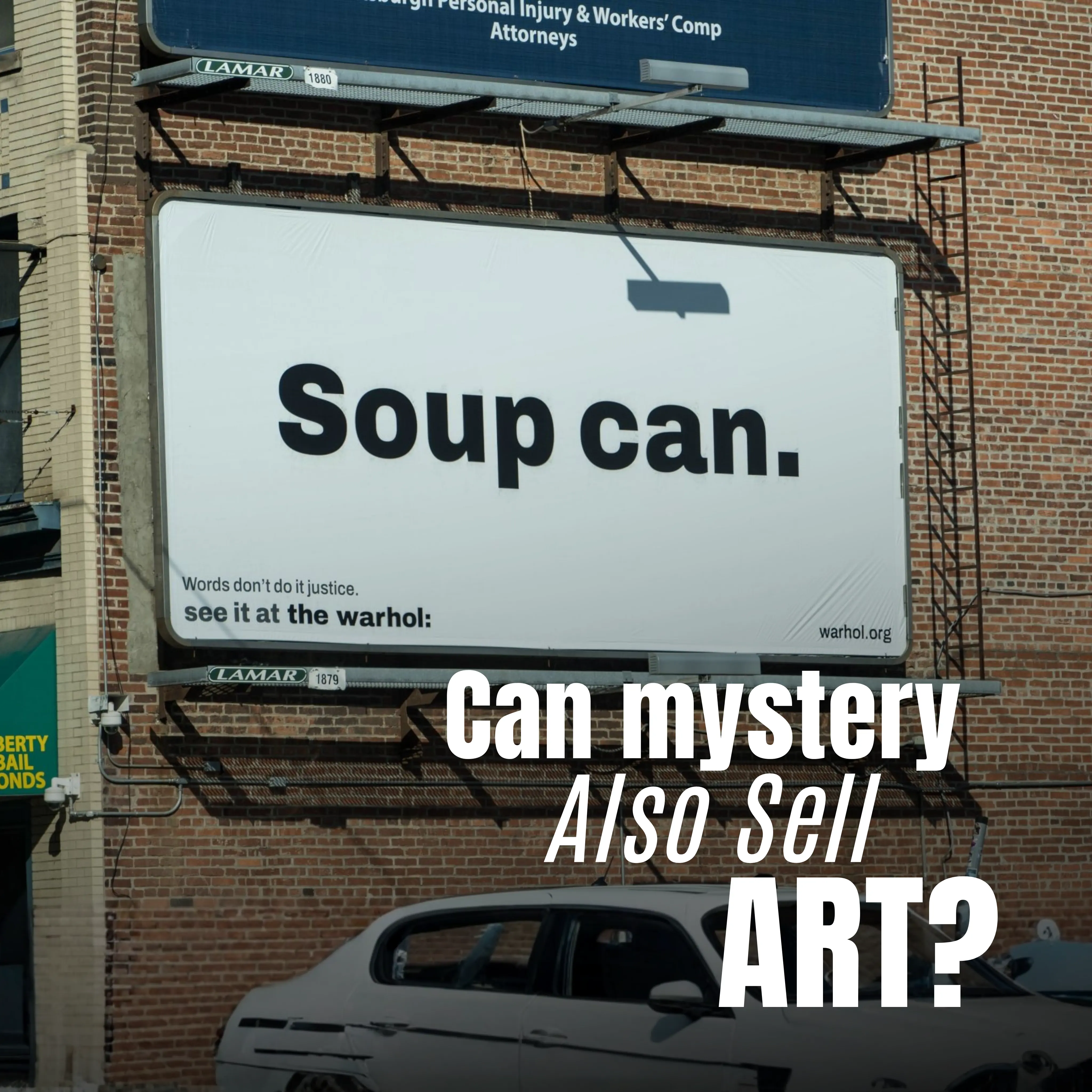
The Andy Warhol Museum launched a series of cryptic outdoor billboards across Pittsburgh with Lamar Advertising, using mystery instead of direct messaging to spark curiosity and conversation.
When Curiosity Becomes the Creative Strategy
Most outdoor advertising tries to explain everything in a matter of seconds.
This campaign chose the opposite approach.
The Andy Warhol Museum partnered with Lamar Advertising to place a series of mysterious billboards across Pittsburgh featuring cryptic messages with little immediate context.
Instead of delivering answers, the campaign invited questions.
The Power of Not Explaining Everything
Consumers are surrounded by thousands of advertising messages every day.
Many compete by adding more information.
This campaign competed by withholding it.
The absence of explanation encouraged people to pause, speculate, and discuss what the messages meant.
That extra moment of attention became the campaigns greatest asset.
OOH That Starts Conversations
Outdoor advertising is often evaluated by impressions.
But memorable campaigns generate something even more valuable:
conversation.
Cryptic creative naturally extends beyond the billboard itself, encouraging word-of-mouth, social sharing, and local curiosity.
The audience becomes part of the storytelling process.
Why It Fits the Warhol Brand
Andy Warhol challenged audiences to question popular culture, art, and media throughout his career.
Using mystery as the foundation of the campaign reflects that same creative spirit.
The campaign doesnt simply advertise the museum.
It behaves like a piece of conceptual art itself.
What Brands Can Learn
- Curiosity increases attention and memorability.
- Not every campaign needs to explain itself immediately.
- OOH can spark conversations beyond the physical billboard.
- Creative ambiguity can strengthen audience engagement.
- Campaigns become more powerful when the execution reflects the brands identity.
Final Reflection: Mystery Still Works
The Andy Warhol Museums Pittsburgh campaign reminds marketers that attention is often earned through curiosity rather than information overload.
By allowing audiences to interpret the message before revealing the answer, the campaign transformed traditional outdoor media into a citywide conversation.
Sometimes the most memorable billboard is the one that leaves people wondering.
Summary
Rather than immediately revealing its purpose, The Andy Warhol Museum’s OOH campaign embraced ambiguity. Cryptic messages placed across Pittsburgh encouraged people to stop, wonder, and discuss the campaign before discovering its connection to the museum. The activation demonstrates how curiosity can become one of the most effective tools in outdoor advertising.
Sources
FAQs
What was the goal of the campaign?
To spark curiosity through cryptic outdoor messages that encouraged people to engage with The Andy Warhol Museum.
Where did the campaign take place?
The billboards were installed across Pittsburgh in partnership with Lamar Advertising.
Why use cryptic messaging?
Mystery captures attention by encouraging audiences to stop, think, and discuss the campaign before discovering its meaning.
What is the marketing takeaway?
Sometimes creating curiosity generates stronger engagement than providing immediate answers.
FAQs about this campaign
Bring your idea to breakfast-time OOH
Explore formats that meet audiences in morning routines and commuter corridors.

Comments
Be the first to comment.