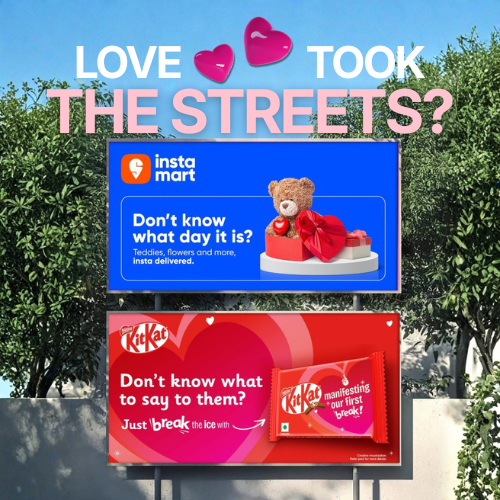
Quick Answer
Valentine’s Day 2026 showed how powerful out-of-home advertising can be when brands tap into romance, humor and real-time culture.
Love Took Over the Streets
Love wasn’t just in the air this Valentine’s Day—it was on billboards, bus shelters, digital screens and unexpected city corners. Valentine’s Day 2026 became a reminder that when brands lean into cultural emotion, out-of-home transforms from media placement into shared experience.
Urban spaces turned into stages for romance, humor and bold declarations. The city itself became part of the storytelling.

From Break-Up Notes to Bold Confessions
Some brands embraced humor, posting cheeky “break-up” messages styled like public notes—dramatic, exaggerated and impossible to ignore. Others leaned into sincerity, transforming premium OOH placements into oversized love letters that felt surprisingly intimate despite their scale.
These weren’t just ads. They were moments designed to make people pause, smile or send a photo to someone else.
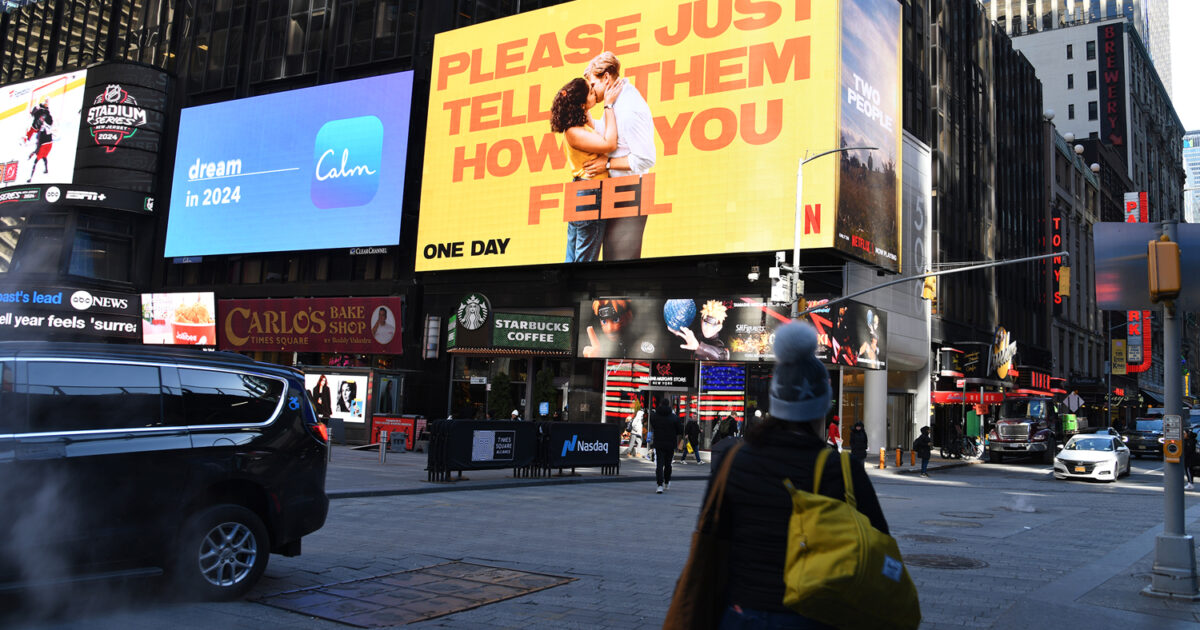
Designed for the Scroll and the Street
What made many of these executions smart was their dual purpose. They worked physically—commanding attention in high-traffic areas—but they were also built for social sharing. Strong typography, minimal copy and punchy visuals made them instantly Instagrammable.
In 2026, OOH wasn’t competing with social media—it was feeding it. Strong typography ensured legibility from a distance, while minimal copy delivered the message in seconds—crucial in fast-paced urban environments. Punchy visuals, bold contrasts and clean compositions made each piece instantly photogenic. The result? Ads that didn’t rely solely on paid impressions, but multiplied organically through social feeds.
In an era where OOH success is measured not only in footfall but in reposts, saves and shares, “Instagrammable” design is no longer a bonus—it’s strategy. The simplicity made them easy to capture. The clarity made them easy to understand. And the visual confidence made them worth sharing.
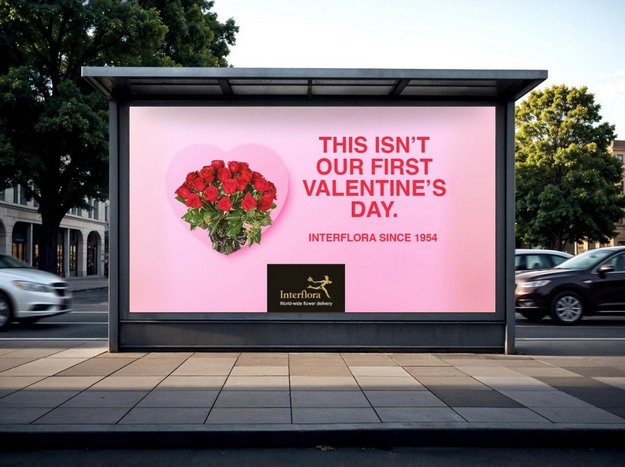
Timing Is the Multiplier
Valentine’s Day already carries emotional weight. It dominates timelines, dinner plans and conversations. Brands that showed up didn’t need to manufacture relevance; they stepped into an existing cultural current.
That alignment elevated the work. The creative matched the moment. The message matched the mood. The audience was already emotionally engaged before they even looked up.
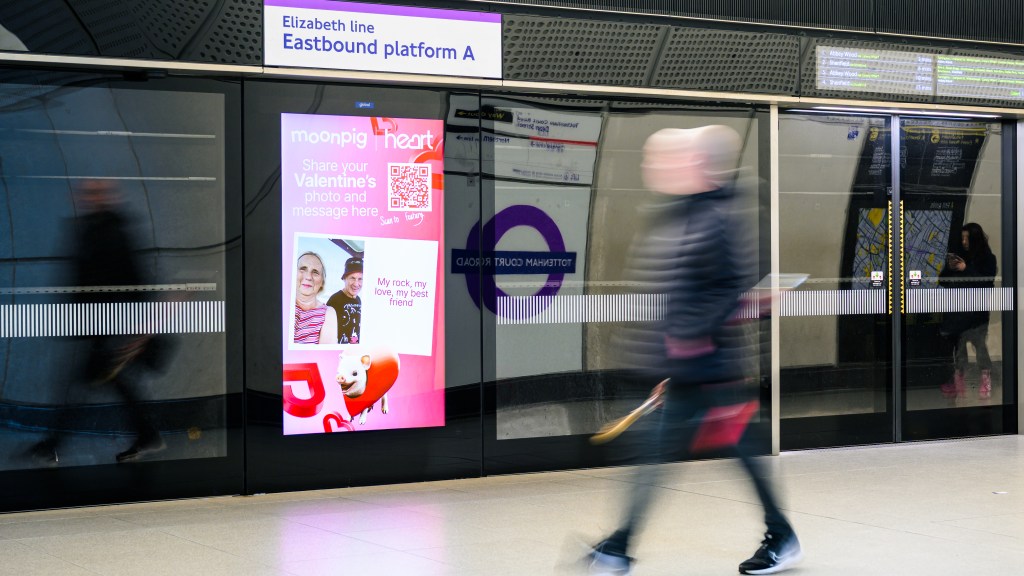
When Context Becomes Strategy
The biggest takeaway from Valentine’s 2026 is simple: context isn’t decoration—it’s strategy. When romance meets real-time culture, streets become stories.
Swipe. Stop. Stare.
Because this year, brands didn’t just sell love. They made it visible.
Summary
From playful break-up notes to bold public love confessions, brands transformed billboards and bus shelters into cultural conversation starters. Valentine’s 2026 proved that when timing, emotion and urban visibility align, OOH becomes more than advertising—it becomes part of the moment.
Sources
FAQs
Why is Valentine’s Day effective for OOH advertising?
Because it’s an emotionally charged cultural moment. People are already primed for messages about love, humor and relationships, making brand communication feel timely and relevant.
What made Valentine’s Day 2026 campaigns stand out?
Many brands embraced bold public messaging—break-up jokes, love confessions and highly shareable visuals—designed specifically for urban visibility and social amplification.
Why does OOH work well for emotional storytelling?
OOH exists in physical space, creating real-world presence. It interrupts daily routines and encourages people to engage, photograph and share the message.
FAQs about this campaign
Why is Valentine’s Day effective for OOH advertising?
Because it’s an emotionally charged cultural moment. People are already primed for messages about love, humor and relationships, making brand communication feel timely and relevant.
What made Valentine’s Day 2026 campaigns stand out?
Many brands embraced bold public messaging—break-up jokes, love confessions and highly shareable visuals—designed specifically for urban visibility and social amplification.
Why does OOH work well for emotional storytelling?
OOH exists in physical space, creating real-world presence. It interrupts daily routines and encourages people to engage, photograph and share the message.
Bring your idea to breakfast-time OOH
Explore formats that meet audiences in morning routines and commuter corridors.
Comments
Be the first to comment.