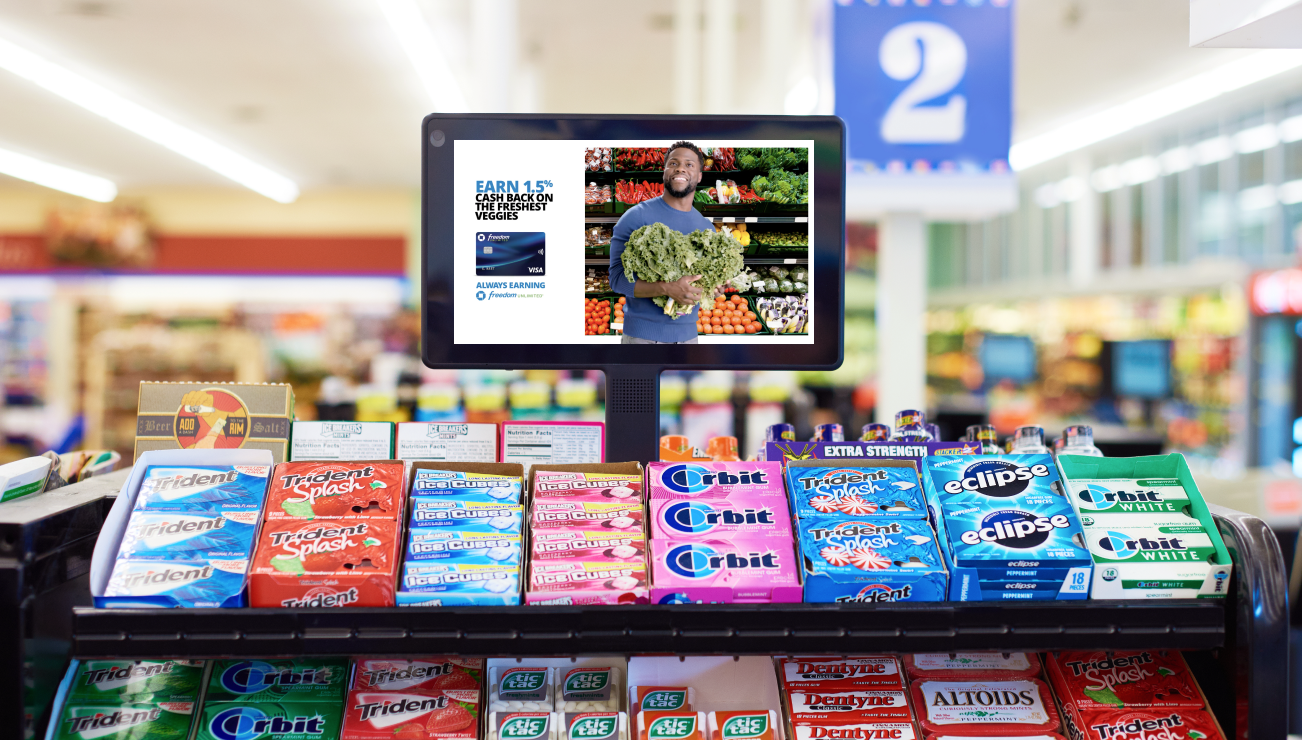
Why Programmatic DOOH Is Becoming a Core Media Channel
Programmatic DOOH is no longer an experimental add-on—it has become a core buying strategy for brands advertising across retail, transit, and roadside environments in the United States. As more screen networks integrate with DSPs, planners can now activate OOH campaigns with the same precision once reserved for digital channels.
Retail locations such as malls, grocery stores, convenience stores, and big-box environments are seeing increased DOOH investment because of their high dwell time and contextual relevance. Meanwhile, transit hubs—including subway platforms, commuter rail stations, and bus shelters—are becoming prime inventory for programmatic activation due to consistent foot traffic and predictable audience patterns.
One of the biggest advantages of programmatic DOOH
Is flexibility. Advertisers can adjust creatives based on time of day, weather conditions, or even local events, ensuring messaging remains relevant. For performance-focused advertisers, this enables better attribution modeling and easier alignment with mobile, CTV, and paid social campaigns.
From a sales perspective, programmatic DOOH also shortens buying cycles. Instead of negotiating each placement manually, brands can launch campaigns nationally or regionally in days—not weeks—making OOH more competitive with fast-moving digital channels.
As measurement standards continue to improve and more premium inventory becomes available programmatically, DOOH is evolving into a high-impact, data-driven channel that bridges physical and digital media more effectively than ever.
FAQs about this campaign
What is programmatic DOOH?
Programmatic DOOH allows advertisers to buy digital out-of-home inventory using automated platforms and real-time data.
Why is programmatic DOOH growing in the U.S.?
Improved measurement, flexibility, and integration with omnichannel strategies are driving adoption.
Which brands benefit most?
CPG, grocery, QSR, consumer electronics, and seasonal retail brands.
Bring your idea to breakfast-time OOH
Explore formats that meet audiences in morning routines and commuter corridors.




Comments
Be the first to comment.