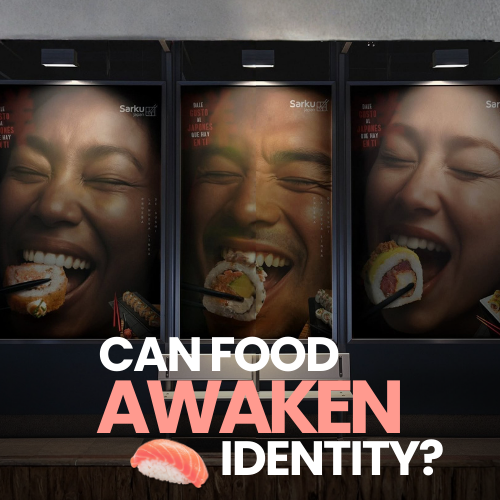
Sarku Japan launched a campaign in Colombia titled “Dale gusto al japonés que hay en ti”, developed by the agency Resistencia. The concept is a direct invitation to consumption: enjoy sushi as a way to connect with Japanese culture through a shared gastronomic experience—without needing to belong to that culture directly. 🍣🇯🇵
What is the core idea behind the campaign?
The campaign positions flavor as an emotional gateway. The idea suggests that taste alone can awaken a sense of cultural connection, making sushi a bridge between everyday consumers and Japanese tradition.
How do the AI-generated visuals support the concept?
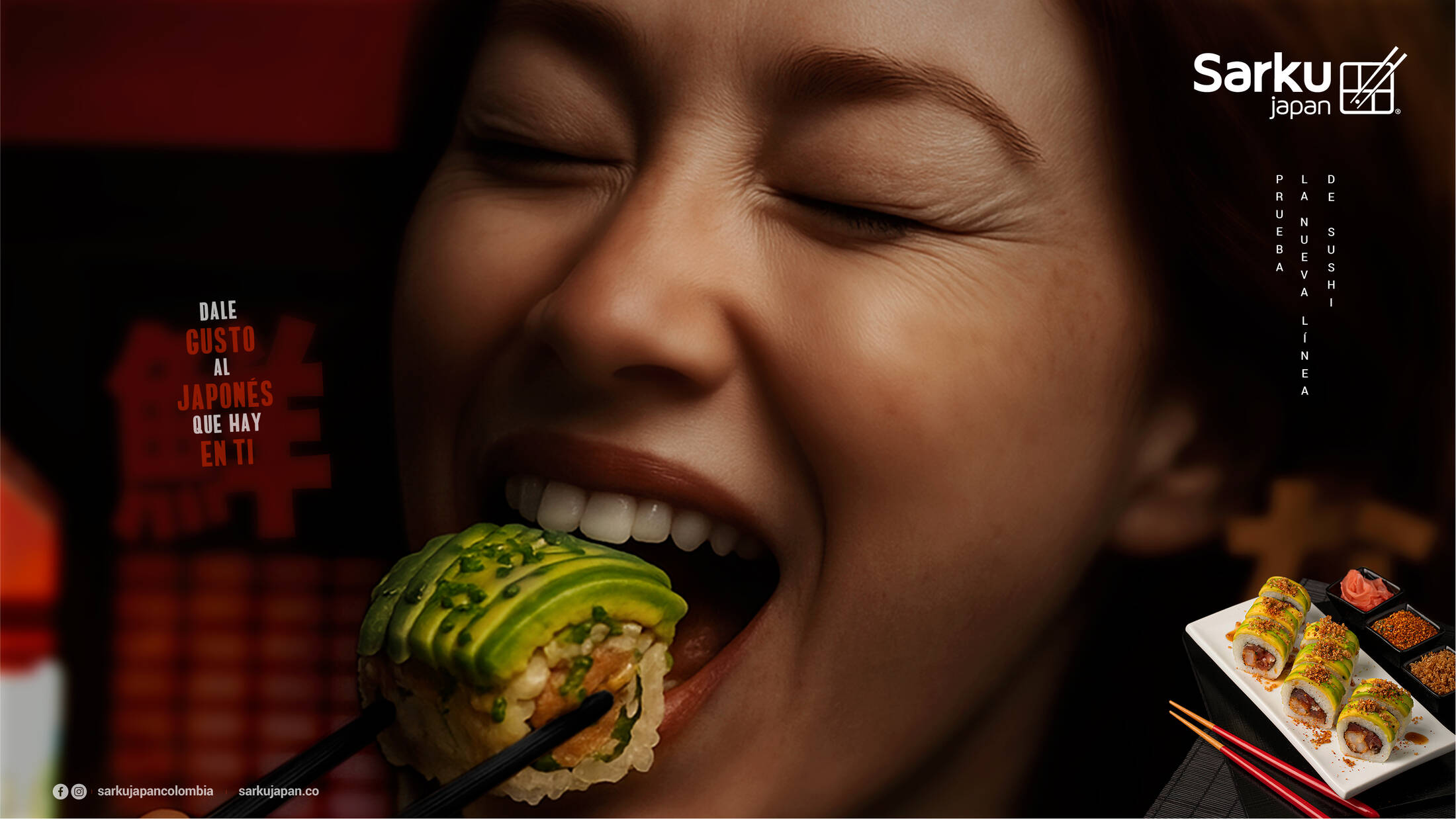
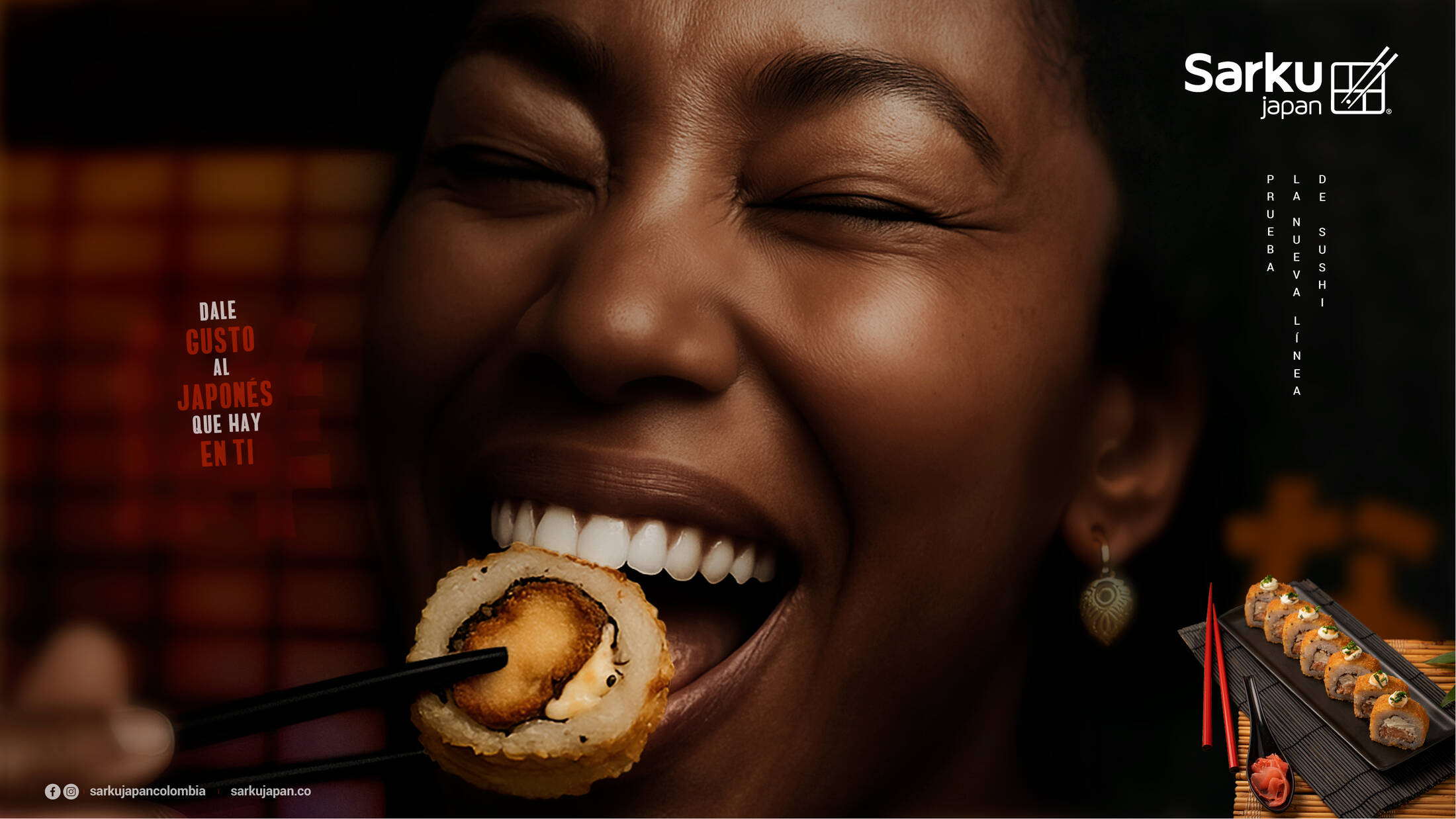
The creative execution relies on AI-generated images showing different people reacting emotionally after tasting the brand’s sushi. Their expressions are paired with a subtle visual transformation meant to suggest that a “Japanese side” has been awakened by the experience. 🤖👀
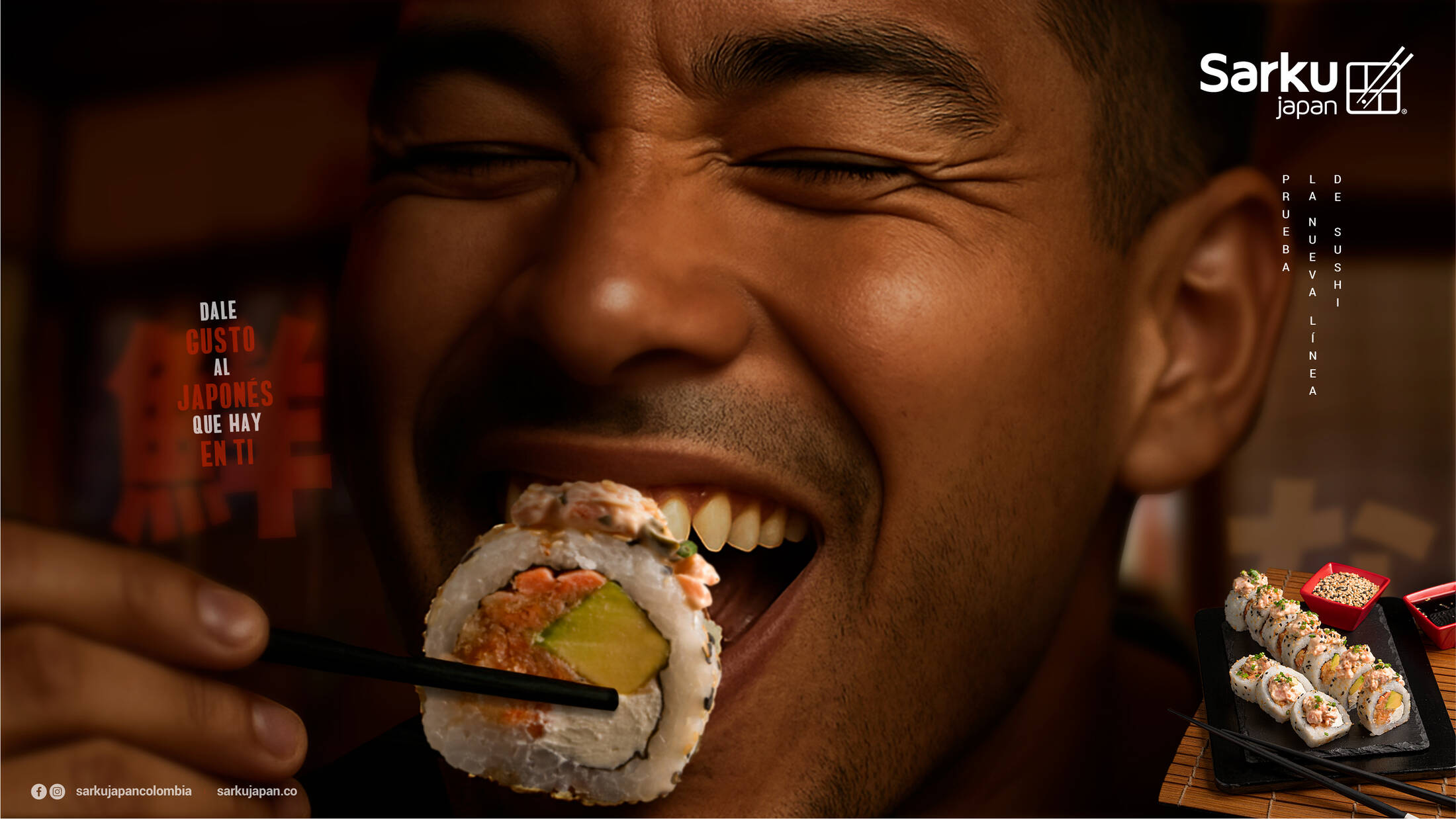
Why has the execution raised questions?
While the intention appears to be metaphorical—linking flavor, emotion, and cultural origin—the use of a physical feature commonly associated with a specific culture has led some audiences to question whether the idea borders on caricature. Even without explicit intent to mock, the execution sits in a gray area between creative symbolism and stereotyping.
The broader lesson for AI-driven cultural marketing
AI allows concepts to scale quickly, but it also amplifies creative risk. When cultural identity is referenced through visual shortcuts, brands must apply extra scrutiny to ensure ideas land as respectful storytelling— not as oversimplified or reductive representations.
FAQs about this campaign
What is Sarku Japan’s ‘Dale gusto al japonés que hay en ti’ campaign?
A Colombian campaign that invites people to enjoy sushi as a way to emotionally connect with Japanese culture, without needing direct cultural affiliation.
How is AI used in the campaign?
AI-generated visuals depict people experiencing sushi with heightened emotion, using a visual metaphor tied to the campaign’s concept.
Why has the campaign generated debate?
Some viewers feel the visual metaphor relies on a physical trait commonly associated with Japanese identity, which can be interpreted as stereotypical.
What’s the takeaway for brands?
Cultural metaphors can be effective, but brands must avoid reducing identities to physical traits—especially when using scalable AI tools.
Bring your idea to breakfast-time OOH
Explore formats that meet audiences in morning routines and commuter corridors.