Quick Answer
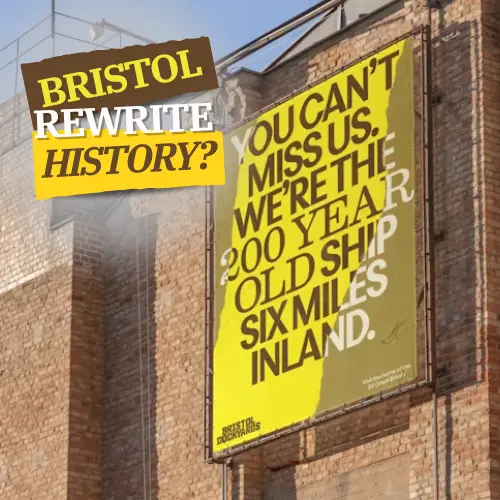
The Bristol museum that houses Isambard Kingdom Brunel’s SS Great Britain has been rebranded as Bristol Dockyards by How&How. The new identity moves beyond the ship alone, using collage, archival imagery, bold color and a braver tone of voice to explore the wider histories, people and cultures connected to the site.
Creative Context: A Museum Ready for a New Chapter
The Bristol museum that houses Isambard Kingdom Brunel’s SS Great Britain has undergone a major rebrand led by design agency How&How.
After years of declining visitor numbers, the museum needed more than a visual refresh.
It needed a new identity capable of reconnecting the site with the energy, culture and complexity of Bristol itself.
The result is Bristol Dockyards, a new name and brand world designed to expand the museum’s story beyond the ship that made it famous.
Brand Strategy: From Ship Museum to Dockyard Experience
At the heart of the museum remains the SS Great Britain, the groundbreaking steamship built in 1843.
Its engineering legacy is widely known in Bristol and beyond.
But the rebrand shifts attention toward the many lesser-known histories connected to the ship.
From journeys to Australia, Chile, the United States and beyond, to passengers such as Barbadian musician and poet James W Jones and British soldiers bound for Mumbai in 1857, Bristol Dockyards now reflects a wider set of stories.
This reframing allows the museum to explore history through people, movement, migration and identity.
Visual Identity: Collage as a Historical System
A central collage system sits at the heart of the new Bristol Dockyards identity.
The system brings together timelines, textures, typography and Dockyard trinkets into a layered visual language.
This approach allows the brand to feel archival without becoming static.
It gives the museum a way to hold many histories at once, turning fragments of the past into a flexible and visually engaging identity system.
The collage language will appear across the on-site experience, website and social media.
Typography: Balancing Heritage and Modernity
The typography plays an important role in balancing the museum’s historic subject matter with its contemporary ambitions.
Classic serifs bring a sense of heritage and authority.
Semi-bold sans serif typography adds confidence, accessibility and modernity.
Together, the type system creates a visual tone that feels both rooted in history and ready for a broader cultural conversation.
This balance is essential for a museum moving from traditional maritime storytelling toward a more nuanced and inclusive public experience.
Color Palette: Moving Beyond Nautical Convention
The new identity uses a strong color palette of yellow, green, orange and pink.
The pink draws inspiration from the iconic terrace houses of nearby Totterdown, creating a more intimate connection with Bristol itself.
The palette also nods to the city’s rave culture, giving the brand a more energetic and locally specific personality.
Just as importantly, the colors help Bristol Dockyards move away from the traditional black and blue tones often used by nautical organizations.
This gives the museum a more distinctive presence in the heritage and cultural sector.
Tone of Voice: Deeper, Vaster and Braver
The rebrand is not only visual.
How&How also developed a more confident tone of voice for Bristol Dockyards.
Described as “deeper, vaster and braver”, the voice draws from Bristol’s radical history and irreverent attitude.
This gives the museum permission to approach its own history with more honesty and energy.
Rather than presenting the past as a fixed and polished story, the new voice allows for complexity, challenge and broader cultural relevance.
Local Culture: Building a Brand That Belongs to Bristol
One of the strongest parts of the rebrand is the way it connects the museum back to the city around it.
The name Bristol Dockyards gives the site a broader civic identity.
The color palette, tone of voice and visual references all help the brand feel less like an isolated heritage attraction and more like part of Bristol’s living culture.
This matters because museums are increasingly expected to reflect the communities they serve.
For Bristol Dockyards, the new identity creates a more welcoming and locally grounded platform for storytelling.
Museum Experience: Beyond Brunel’s Ship
The revamped Bristol Dockyards is due to open in July.
Its new focus will go beyond the engineering achievement of the SS Great Britain.
The museum will explore broader historical themes including migration, identity, travel, empire and the many people connected to the ship’s story.
This direction aligns with growing public interest in more nuanced and inclusive studies of history.
By expanding the narrative, Bristol Dockyards can become more relevant to contemporary audiences without losing the significance of the ship at its center.
Why the Rebrand Works
The rebrand works because it solves both a strategic and cultural challenge.
First, it gives the museum a clearer and more ambitious identity after years of declining visitor numbers.
Second, it expands the story beyond a single object, making space for the people, journeys and histories connected to the SS Great Britain.
Third, it uses a bold visual and verbal system that feels specific to Bristol rather than generic to maritime heritage.
The result is a brand that feels more inclusive, more contemporary and more emotionally connected to place.
Final Reflection: A Dockyard Full of Stories
Bristol Dockyards shows how a museum rebrand can do more than update a logo or name.
By reframing the SS Great Britain through migration, identity, archival fragments and local culture, How&How has created a brand system that invites audiences into a much wider historical conversation.
The new identity feels bold, layered and unmistakably tied to Bristol.
For heritage institutions, it is a strong example of how design can help old stories speak to new audiences.
Summary
Design agency How&How has rebranded the museum that houses the SS Great Britain as Bristol Dockyards, responding to years of declining visitor numbers and an experience that no longer felt aligned with the spirit of Bristol. The new brand expands the story beyond Brunel’s famous steamship, focusing on the ship’s global journeys, passengers, migration, identity and the wider communities connected to its history. With a collage-led visual system, vivid colors inspired by the city and a confident tone of voice, Bristol Dockyards is being repositioned as a more inclusive, contemporary and culturally connected museum experience.
Sources
FAQs
What is Bristol Dockyards?
Bristol Dockyards is the new name and identity for the Bristol museum that houses Isambard Kingdom Brunel’s SS Great Britain.
Who created the Bristol Dockyards rebrand?
The rebrand was created by design agency How&How, including naming, visual identity, tone of voice and a broader brand system.
What is the main idea behind the new identity?
The new identity expands the museum’s focus beyond the ship alone, highlighting the many people, journeys, cultures and histories connected to the SS Great Britain.
What makes the visual identity distinctive?
The identity uses a collage system, archival imagery, classic and modern typography, and a bold color palette of yellow, green, orange and pink inspired in part by Bristol itself.
FAQs about this campaign
What is Bristol Dockyards?
Bristol Dockyards is the new name and identity for the Bristol museum that houses Isambard Kingdom Brunel’s SS Great Britain.
Who created the Bristol Dockyards rebrand?
The rebrand was created by design agency How&How, including naming, visual identity, tone of voice and a broader brand system.
What is the main idea behind the new identity?
The new identity expands the museum’s focus beyond the ship alone, highlighting the many people, journeys, cultures and histories connected to the SS Great Britain.
What makes the visual identity distinctive?
The identity uses a collage system, archival imagery, classic and modern typography, and a bold color palette of yellow, green, orange and pink inspired in part by Bristol itself.
Bring your idea to breakfast-time OOH
Explore formats that meet audiences in morning routines and commuter corridors.

Comments
Be the first to comment.